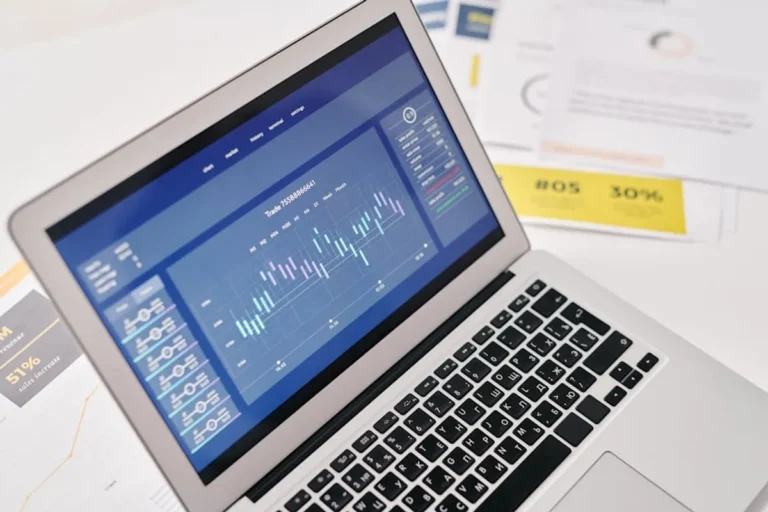


Understanding SERP volatility is a critical skill for any SEO professional, marketer, or site owner. It refers to the degree of fluctuation in search engine results pages (SERPs) over a given period. While minor daily shifts are normal, significant or sustained volatility often signals underlying changes that demand immediate attention. Ignoring these signals can lead to missed opportunities or, worse, sustained ranking and traffic declines. Recognizing when the SERPs are unstable – and why – allows for proactive strategy adjustments, safeguarding organic performance against broader market shifts or specific algorithmic impacts. This guide details how to identify, interpret, and respond to these essential signals.
What Constitutes SERP Volatility?
SERP volatility manifests as noticeable shifts in keyword rankings across a broad range of search queries or specific niches. It's distinct from the natural, minor daily fluctuations that occur as search engines continuously re-evaluate content. True volatility implies a systemic change, affecting multiple sites and keywords, rather than an isolated dip or rise for a single URL. These shifts can range from minor positional changes within the top 10 to complete overhauls of the first page, introducing new domains or reordering established players. Understanding these systemic changes is key to grasping what SERP volatility means for publishers and their content strategies.
Distinguishing Noise from Signal
Not every ranking change signifies volatility. A single keyword dropping three positions might be an isolated incident. However, if multiple target keywords across a site, or even across an entire industry, exhibit similar patterns of movement simultaneously, it indicates a broader trend. The key is to look for patterns and correlations rather than reacting to every individual data point. Tools that track historical SERP data and provide volatility scores across industries or regions are particularly useful for this distinction, indicating when the overall search landscape is experiencing significant unrest.
Primary Drivers of SERP Instability
Identifying the cause of volatility is as important as spotting its occurrence. Several factors can trigger significant SERP shifts, each requiring a different investigative approach.
- Algorithmic Updates: This is the most common and often most impactful driver. Search engines frequently release updates, ranging from minor tweaks to major core algorithm changes. These updates re-evaluate ranking factors, impacting sites that align or misalign with the new criteria.
- Competitive Landscape Shifts: New, aggressive competitors entering a niche, established players launching significant content campaigns, or shifts in backlink profiles across the industry can all create waves. If a competitor improves their SEO significantly, your relative rankings may decline even if your own site hasn't changed.
- Seasonal and Trend-Based Fluctuations: Certain industries experience predictable peaks and troughs in search interest. Holiday shopping, seasonal services, or major news events can temporarily skew SERPs as search intent and content relevance shift.
- User Behavior Evolution: As user preferences and search queries evolve, search engines adapt to deliver more relevant results. This can lead to new SERP features appearing, changes in click-through rates for existing results, and a re-prioritization of content types.
- Technical Issues (Broad Scale): While often site-specific, widespread technical issues (e.g., global CDN outages, major indexing problems affecting multiple sites) can sometimes contribute to broader SERP instability, though this is less common than algorithm updates.
Methods for Detecting Ranking Changes
Effective monitoring requires a multi-faceted approach, combining direct observation with data analysis.
Daily Rank Tracking
Implementing a robust rank tracking system is fundamental. This involves monitoring the positions of your target keywords across various search engines and geographical locations. Daily tracking allows for the earliest detection of shifts. Look for:
Key indicators:
- Sudden, widespread drops or gains across a significant percentage of keywords.
- Changes in the number of keywords ranking on the first page.
- Fluctuations in the average position for critical keyword groups.
Google Search Console Performance Reports
Google Search Console (GSC) provides invaluable first-party data directly from the search engine. The Performance report allows you to filter data by date, query, page, country, and device.
Actionable insights:
- Impressions and Clicks: Monitor overall trends. A sharp decline in impressions across many queries often precedes or confirms a ranking drop.
- Average Position: While an aggregate metric, a noticeable shift in average position over time can signal a broad impact.
- Query-level Data: Identify specific keywords or groups of keywords experiencing significant changes in position, impressions, or click-through rates.
Organic Traffic Analytics
Your site's analytics platform (e.g., Google Analytics) provides a crucial layer of confirmation. A decline in organic search traffic, particularly when correlated with observed ranking shifts, validates the presence of volatility impacting your site. Segment traffic by landing page, keyword (if available), and source to pinpoint affected areas.
Manual SERP Observation
For critical, high-value keywords, periodic manual checks are still useful. Observe the composition of the SERP: are new sites appearing? Have SERP features (e.g., featured snippets, people also ask, image packs) changed? These qualitative observations can provide context that quantitative data alone might miss.
Pro Tip: Avoid overreacting to minor, single-day fluctuations. True SERP volatility reveals itself through sustained patterns over several days or weeks, often impacting multiple keywords or even entire market segments. Establish a baseline of 'normal' movement for your niche before sounding the alarm.
Responding to Detected Volatility
Once volatility is confirmed, a structured response is essential to mitigate negative impacts or capitalize on opportunities.
Step 1: Verify and Quantify
Confirm the data across multiple sources (rank tracker, GSC, analytics). Quantify the impact: which keywords, pages, or sections of the site are most affected? Is the change positive or negative? Is it a broad shift or isolated to specific queries?
Step 2: Investigate Potential Causes
Cross-reference the timing of the volatility with known or suspected algorithmic updates. Check SEO news sources and community forums for discussions about widespread SERP changes. Analyze competitor movements – are they experiencing similar shifts, or are they gaining where you're losing? Conduct a quick technical audit of your own site for any recent changes that might have impacted indexing or crawlability.
Step 3: Strategize and Act
Based on the identified cause, formulate a response. If an algorithmic update is suspected, review your content against known quality guidelines. If competitors are outperforming, analyze their strategies for content depth, user experience, or link acquisition. This might involve:
- Content Refinement: Updating outdated information, improving E-E-A-T signals, enhancing readability, or restructuring content to better match evolving user intent.
- Technical SEO Audit: Addressing crawl errors, improving page speed, optimizing for mobile, or resolving indexing issues.
- Backlink Profile Review: Assessing the quality and relevance of your inbound links and identifying opportunities for new, high-authority links.
- User Experience (UX) Enhancements: Improving site navigation, reducing bounce rates, and increasing engagement metrics.
Navigating a Dynamic SERP Environment
Sustained success in SEO requires more than just reacting to volatility; it demands a proactive approach to maintain stability. Focus on building a robust, resilient online presence that can withstand algorithmic shifts and competitive pressure. This involves continuous content improvement, technical excellence, and a deep understanding of your audience's evolving needs. Diversifying your traffic sources and not relying solely on organic search for critical business functions also provides a buffer against sudden SERP shifts.
Actionable Strategies for Sustained Performance
To thrive amidst constant SERP flux, integrate these practices into your ongoing SEO efforts:
- Implement Continuous Content Audits: Regularly review and update existing content to ensure accuracy, relevance, and alignment with current search intent and quality guidelines. Prioritize content that directly addresses user needs and demonstrates expertise.
- Maintain Technical Health: Conduct routine technical SEO checks for crawlability, indexability, page speed, mobile-friendliness, and core web vitals. Proactive maintenance prevents technical debt from accumulating and impacting rankings.
- Monitor Competitor Activity: Keep a close watch on what top-ranking competitors are doing. Analyze their content strategies, backlink profiles, and site structure to identify opportunities and anticipate future shifts.
- Focus on User Experience (UX): Search engines increasingly prioritize user satisfaction. Optimize for intuitive navigation, clear calls to action, and an overall positive experience that encourages engagement and reduces bounce rates.
- Diversify Keyword Targeting: Relying on a narrow set of keywords increases vulnerability. Expand your keyword research to include long-tail variations and semantic related terms, building a broader base of organic visibility.
Frequently Asked Questions
How often should I check for SERP volatility?
For critical keywords and target pages, daily monitoring via a rank tracking system is ideal. For broader, less critical terms, weekly or bi-weekly checks can suffice. Regularly reviewing Google Search Console performance reports is also essential, at least weekly.
What's the difference between volatility and a ranking drop?
A ranking drop refers to your site's specific position decrease for one or more keywords. Volatility, however, describes a broader phenomenon where the entire SERP for a given query or set of queries is unstable, with many sites moving up and down. Your site's ranking drop might be a *result* of broader SERP volatility.
Can SERP volatility be positive?
Yes, absolutely. Volatility can present opportunities for gains. If your site is well-optimized and aligns with new algorithmic preferences, or if competitors falter, you might see significant ranking improvements during periods of high SERP flux.
How long does volatility usually last after an update?
The duration varies significantly. Minor updates might cause volatility for a few days. Major core updates can trigger sustained volatility for several weeks, sometimes even months, as search engines fully roll out changes and re-evaluate the web. Initial 'shakes' often settle, but the new ranking landscape can remain altered.