
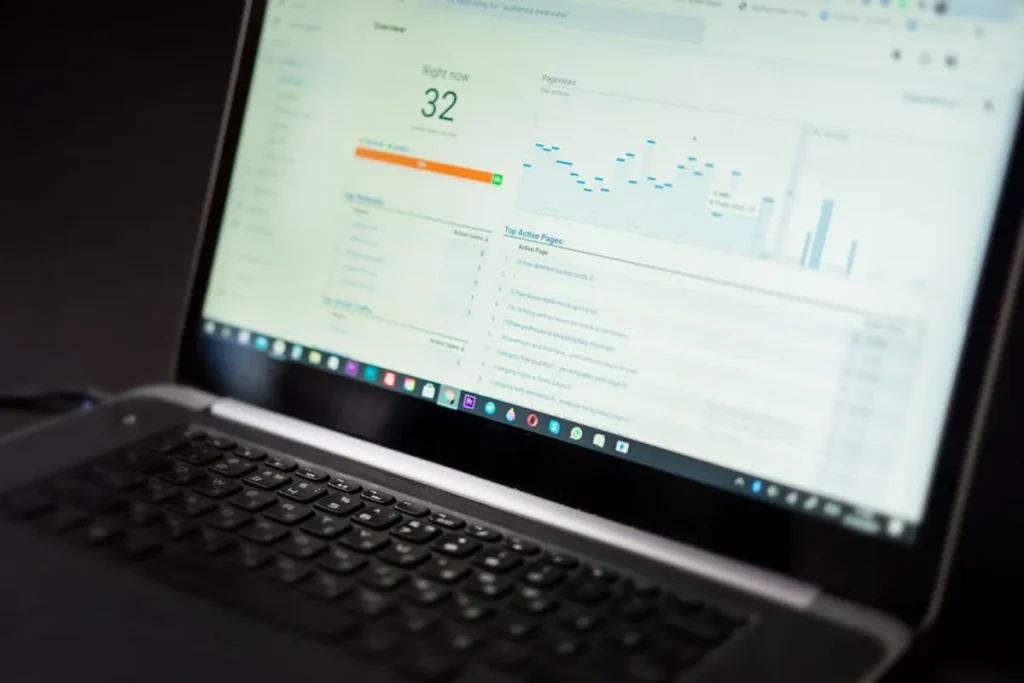
Content is not a static asset; its performance in search engine results pages (SERPs) is subject to continuous flux. User intent evolves, competitor strategies shift, and algorithms update, all contributing to the decay of even previously high-performing pages. Relying on intuition or a calendar-based refresh schedule often misses critical opportunities or, worse, expends resources on pages that don't need immediate attention. The strategic application of SEO analytics provides the objective data required to identify underperforming content, diagnose underlying issues, and execute targeted refreshes that drive measurable gains in organic visibility and conversions. This approach prioritizes resources where they will yield the highest return, transforming content maintenance from a reactive chore into a proactive growth lever. Understanding the dynamics of serp volatility is key to adapting your content strategy effectively.
Pinpointing Underperforming Content
Identifying which content assets require a refresh begins with a data-driven audit, moving beyond subjective assessments. This process focuses on pages exhibiting specific performance declines or untapped potential, signaling a need for intervention.
Traffic Volume Shifts
A primary indicator for content refresh is a sustained decline in organic search traffic. This isn't about day-to-day fluctuations, but rather a clear downward trend over several weeks or months, compared to previous periods or seasonal benchmarks. Analyze specific page-level traffic data to isolate underperforming URLs. A sudden drop often points to a significant algorithmic shift or a new, stronger competitor appearing in the SERP. Gradual decay, however, typically indicates evolving user intent or content becoming outdated.
Ranking Position Erosion
Monitoring keyword rankings provides a direct measure of content visibility. Pages that have slipped from top positions (e.g., page one to page two, or top three to bottom of page one) are prime candidates for a refresh. Even a drop from position #1 to #3 can significantly impact click-through rates. Focus on keywords that previously drove substantial traffic and are now losing ground. This erosion suggests that the content no longer satisfies the dominant search intent as effectively as it once did, or that competitors have surpassed its quality and relevance.
Engagement and Conversion Metrics
Beyond traffic and rankings, user engagement metrics reveal how well content resonates with visitors once they arrive. High bounce rates, low average time on page, or a decrease in specific conversion actions (e.g., form submissions, product views, downloads) can signal that content fails to meet user expectations or guide them effectively through the sales funnel. Even if traffic remains stable, poor engagement indicates a disconnect between the content and user intent, necessitating a refresh to improve its utility and persuasive power.
Diving into Performance Data
Once potential refresh candidates are identified, a deeper dive into specific analytics platforms provides the diagnostic information necessary to formulate an effective strategy.
Search Console Insights
Google Search Console (GSC) is indispensable for understanding how Google perceives and ranks your content. For a target page, examine:
- Queries: Identify the exact search terms driving impressions and clicks. Look for new, relevant queries the page isn't ranking well for, or queries where the page's CTR is uncharacteristically low despite high impressions.
- Average Position: Track its movement over time for key queries.
- CTR: A low CTR for a high-ranking position suggests title tag or meta description issues that fail to compel clicks.
- SERP Features: Note if the page has lost or gained SERP features (e.g., featured snippets, people also ask, rich results). Loss often indicates a need to restructure content for better feature eligibility.
Behavioral Analytics
Platforms like Google Analytics offer critical insights into user behavior *after* they land on your page. Evaluate:
- Pageviews and Unique Pageviews: Confirm traffic trends identified earlier.
- Bounce Rate: A high bounce rate suggests that visitors aren't finding what they expect or the content isn't engaging enough to hold their attention.
- Average Session Duration / Time on Page: Low duration indicates content isn't providing sufficient depth or value.
- Exit Rate: Pages with high exit rates might be the last stop before users leave the site, indicating a lack of clear next steps or internal linking.
- Conversion Goals: If the page is meant to drive a specific action, track its conversion rate. A decline here points to issues with the content's persuasive elements or calls to action.
Pro Tip: When analyzing content performance, always establish a clear baseline period *before* any refresh. This allows for accurate measurement of impact post-update. Isolate changes to a single content asset or a small, related cluster to avoid confounding variables when assessing results.
Competitive Landscape Analysis
Examine what competitors are doing for the same target keywords. Analyze their top-ranking pages for:
- Content Depth and Breadth: Do they cover more subtopics or provide more detailed answers?
- Content Format: Are they using more interactive elements, videos, or different organizational structures?
- Internal and External Linking: How are they building authority and relevance through their link profiles?
- User Experience: Assess their page speed, mobile-friendliness, and overall readability. These factors indirectly influence ranking and directly impact engagement.
Crafting Data-Driven Refresh Strategies
Analytics inform not just *if* to refresh, but *how*. Each data point guides a specific content modification.
Keyword Expansion and Optimization
If GSC reveals new, relevant queries with high impressions but low clicks or rankings, integrate these terms naturally into headings, subheadings, and body copy. Conversely, if the page ranks for irrelevant terms, consider de-optimizing or re-focusing the content. Use semantic SEO principles to include related entities and long-tail variations, broadening the page's topical authority.
Structural and Readability Enhancements
High bounce rates and low time on page often point to poor readability or overwhelming content. Break up long paragraphs, use more subheadings (H2, H3), bullet points, and numbered lists. Incorporate visual aids like images, infographics, or embedded videos to improve engagement. Ensure the most critical information is presented early and clearly, adhering to an inverted pyramid style.
Content Additions and Updates
When content is outdated or lacks depth compared to competitors, add new sections, statistics, examples, or case studies. Update any time-sensitive information, broken links, or references. Consider expanding the content to cover related subtopics identified through keyword research, transforming a shallow piece into a comprehensive resource. This directly addresses evolving user intent and algorithm preferences for thoroughness.
Intent Alignment
If the page is attracting traffic for queries it doesn't adequately answer, or if conversion rates are low, the content's intent may be misaligned with the user's. Re-evaluate the primary purpose of the page (informational, navigational, commercial, transactional) and adjust the content to serve that intent explicitly. This might involve adding product comparisons for commercial intent, or detailed how-to steps for informational intent.
Measuring Refresh Impact
A content refresh is incomplete without rigorous measurement to validate its effectiveness and inform future optimizations.
Immediately after a refresh, establish a monitoring period (e.g., 4-6 weeks) to track key performance indicators (KPIs) against the baseline data collected prior to the update. Focus on the metrics that initially signaled the need for a refresh:
- Organic Traffic: Monitor pageviews and unique pageviews from organic search.
- Keyword Rankings: Track the movement of target keywords in SERPs.
- Click-Through Rate (CTR): Evaluate if title tag and meta description changes improved clickability.
- Engagement Metrics: Observe changes in bounce rate, time on page, and exit rate.
- Conversion Rate: Assess if the refresh contributed to an uplift in desired user actions.
Analyze these metrics in conjunction with any observed SERP volatility. If performance doesn't improve as expected, or even declines, be prepared to iterate. This iterative process, driven by continuous analytical feedback, is fundamental to sustained content success.
Operationalizing Content Optimization
Integrating SEO analytics into a routine content refresh workflow transforms ad-hoc updates into a systematic optimization process. Establish quarterly or bi-annual content audits driven by the metrics outlined above. Assign clear ownership for content performance and refresh execution. Document all changes made to a page, including dates and rationale, to build a historical record that aids in future analysis and troubleshooting. This structured approach ensures that content assets remain relevant, competitive, and continuously optimized for search visibility and user value.
Frequently Asked Questions
How often should content be refreshed?
The frequency depends on the content type, industry volatility, and competitive landscape. Evergreen content might need annual or bi-annual reviews, while news or trending topics may require weekly or monthly updates. Analytics provide the objective triggers, not a fixed calendar.
What if a content refresh leads to a temporary drop in rankings or traffic?
Minor fluctuations are common after significant content changes as search engines re-evaluate the page. Monitor closely for several weeks. If the drop is sustained or severe, re-analyze the changes against competitor content and search intent. It may indicate an over-optimization, removal of critical information, or misalignment with current SERP expectations.
Should I change the URL when refreshing content?
Generally, no. Changing a URL breaks existing backlinks and requires a 301 redirect, which carries some risk of losing link equity and initial ranking signals. Only change a URL if the original is completely irrelevant, unoptimized, or creates technical issues. If a URL change is necessary, implement a 301 redirect immediately and monitor Search Console for crawl errors.
How do I prioritize which content to refresh first?
Prioritize pages with the highest potential impact. This typically includes pages that were previously high-performing but have seen significant decay, pages targeting high-value keywords, or pages with strong existing backlink profiles that offer an easier path to recovery. Use a weighted scoring system based on traffic, ranking drop, conversion potential, and ease of refresh.