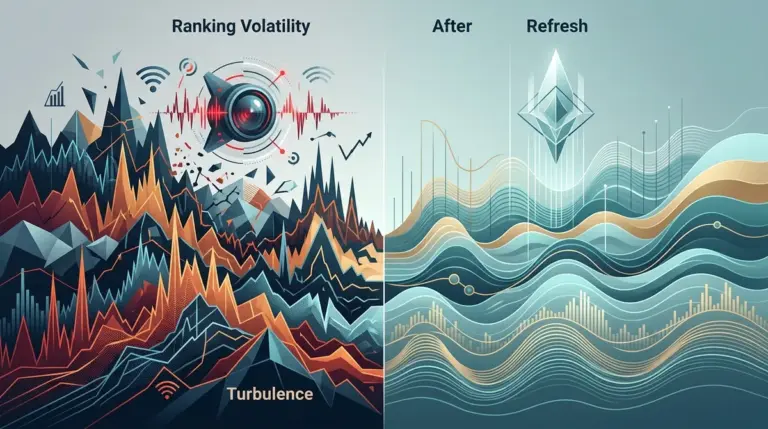
Internal linking is frequently discussed as a method for distributing PageRank, but its role as a stabilizer for search engine results page (SERP) positions is often overlooked. When a page experiences sudden rank volatility or begins "ping-ponging" between the first and third pages of Google, the culprit is rarely a broad core update alone. More often, it is a breakdown in the site’s internal architecture that has signaled to search crawlers that the page’s relevance or priority has shifted. Understanding how to use internal links to anchor a page’s position requires moving beyond simple "related posts" widgets and into the mechanics of crawl frequency and semantic reinforcement.
The Relationship Between Crawl Frequency and Ranking Fluctuations
Search engines use internal links to determine how often a page should be recrawled. A page buried deep in the site hierarchy with only one or two inbound links will be visited less frequently by Googlebot. When you finally update that page or add new links to it, you trigger a re-evaluation process. This often manifests as a temporary spike in volatility. If the new internal links use inconsistent anchor text or point to competing URLs, the search engine may struggle to determine which page is the definitive authority for a specific query.
Best for: Identifying why legacy content suddenly drops in rank after a site-wide navigation update.
Monitoring these shifts requires a keen eye on instability signals. If a page’s ranking position looks like a heart rate monitor—jumping up and down by five or ten positions daily—it usually indicates that the search engine is testing the page against other internal candidates. This is "self-cannibalization" triggered by poor link signals. By consolidating internal links toward a single target URL with descriptive, exact-match anchor text, you provide the "signal density" required to stop this movement and lock the page into a stable position.
Anchor Text Consistency as a Stability Signal
Varying your anchor text is a common strategy for external backlink profiles to avoid over-optimization filters, but internal linking follows a different set of rules. For internal links, consistency is a virtue. If you link to a "commercial insurance" page using the anchor text "click here" in one section, "our services" in another, and "business coverage" in a third, you dilute the semantic signal. This creates a vacuum where the search engine is less certain about the page's primary intent, leading to rank instability during minor algorithm refreshes.
The Impact of Global Navigation Changes
Changes to a site’s header or footer navigation are the most common cause of site-wide SERP volatility. Because these links appear on every page, a single change to an anchor or a URL in the footer redistributes "link equity" across the entire domain instantly. This can cause a massive "sensor" spike for your brand. If you remove a high-value category page from the main menu, you are effectively telling search engines that the page is no longer a priority. Expect to see an immediate drop in its crawl rate and a subsequent slide in its ranking stability.
Warning: Mass-deleting internal links during a content audit without implementing 301 redirects or replacing those links on high-traffic pages can orphan your content. Orphaned pages are the first to be dropped from the index during periods of high SERP volatility because they lack the structural support to justify their position.
Factors That Increase Link-Based Volatility
Not all internal links are weighted equally. The location and context of a link determine how much it contributes to a page’s stability. To minimize fluctuations, focus on these structural elements:
- Link Depth: Pages more than three clicks away from the homepage are significantly more prone to ranking decay and volatility.
- Contextual Relevance: Links placed within the body text of a relevant article carry more weight than links in a "Recommended for You" sidebar.
- First Link Priority: If a page links to the same target URL twice, Google typically gives more weight to the anchor text of the first link found in the HTML.
- Broken Internal Redirects: Linking to a URL that then redirects to the final destination creates a "hop" that slows down crawlers and introduces unnecessary instability.
Sensing and Correcting Internal Cannibalization
When two pages on your site compete for the same keyword, search engines will often alternate between them in the SERPs. One day Page A is at position 4; the next day Page B is at position 12, and Page A has disappeared. This "flip-flopping" is a clear signal of internal competition. To resolve this, you must use internal linking to declare a winner. Remove internal links pointing to the "weaker" page using that specific keyword anchor and point them instead to the "stronger" page. This clarifies the site architecture and forces the search engine to settle on a single URL, ending the volatility.
The Role of "Nofollow" in Internal Architecture
While some SEOs suggest using "nofollow" on internal links to "sculpt" PageRank, this is generally a counterproductive move for stability. Using nofollow on internal links can prevent crawlers from discovering new content and creates "dead ends" in your site’s link graph. Instead of nofollowing links to low-value pages like "Privacy Policy" or "Login," use the robots.txt file or meta robots tags to manage indexing. Keep your internal link graph open and fluid to ensure that every page receives enough signals to remain indexed and stable.
Actionable Steps to Stabilize Your Rankings
To reduce self-inflicted volatility, perform a monthly audit of your top 50 ranking pages. Check for "link rot"—instances where high-value pages have lost inbound internal links due to content deletions or site updates. Use a crawler to identify pages with a high "click depth" and move them closer to the root directory through strategic placement in high-traffic blog posts or category headers. Finally, ensure that your most important pages are linked from your homepage; this provides the strongest possible signal of stability to search engines, shielding those pages from the minor fluctuations that often plague deeper content.
FAQ
How long does it take for internal link changes to affect SERP stability?
Typically, you will see a reaction within 3 to 14 days, depending on your site’s crawl frequency. High-authority sites with frequent crawls may see stability return in as little as 48 hours, while smaller sites may take longer for Googlebot to process the new architecture.
Can too many internal links cause a page to drop in rank?
Yes, if the links are perceived as "spammy" or irrelevant. Over-linking from the footer with exact-match anchors can trigger a manual or algorithmic review. The goal should be a natural distribution that aids user navigation, not just keyword density.
Does the position of an internal link on the page matter?
Absolutely. Links placed "above the fold" or within the main body content are generally viewed as more important than links buried in the footer or a sidebar. If you want to stabilize a specific page, place the internal link in the primary content area of your highest-performing pages.
Should I use the same anchor text for every internal link to a page?
For your primary target keyword, consistency is key. However, it is beneficial to use secondary, long-tail variations in about 20% of your internal links to help the page rank for a broader range of related queries without confusing the primary signal.