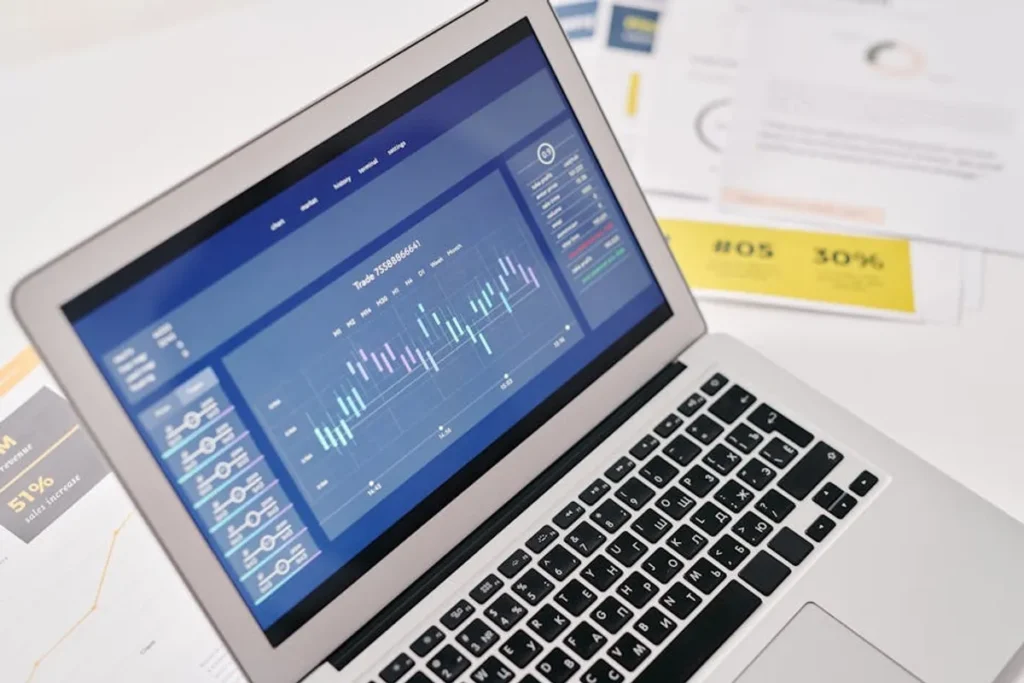
A rank tracker is not merely a tool for checking keyword positions; it is a critical instrument for monitoring search engine visibility, detecting SERP volatility, and informing SEO strategy. For agencies, publishers, and site owners, the choice of a rank tracker directly impacts the ability to understand organic performance shifts, identify competitive movements, and measure the impact of optimization efforts. The decision to invest in a specific platform requires a clear understanding of its capabilities, data fidelity, and alignment with operational needs.
Understanding the Core Function of a Rank Tracker
At its foundation, a rank tracker systematically monitors the position of specified keywords in search engine results pages (SERPs) for a given domain. This goes beyond a single, static check. Effective rank tracking involves consistent, scheduled data pulls that build a historical record of keyword performance. This historical data is crucial for identifying trends, understanding the impact of algorithm updates, and evaluating the long-term efficacy of SEO campaigns.
The utility extends to competitive analysis, allowing businesses to track competitor performance for shared keywords. This provides actionable intelligence on market share shifts, content gaps, and opportunities for strategic differentiation. Moreover, modern rank trackers capture a broader spectrum of SERP data, moving beyond just the "10 blue links" to include rich snippets, local packs, featured snippets, and other evolving SERP features that influence click-through rates and visibility.
Key Data Points from Rank Tracking
A robust rank tracking solution provides more than just a list of keyword positions. It delivers a suite of data points essential for granular analysis:
- Keyword Position History: Daily, weekly, or even hourly snapshots of a keyword's ranking, revealing upward or downward trends over time. This helps diagnose the impact of content changes, technical updates, or external factors.
- SERP Feature Presence: Identification of when and where a domain appears in non-traditional SERP elements like featured snippets, People Also Ask boxes, image packs, video carousels, or local map packs. This provides insight into opportunities for enhanced visibility beyond standard organic listings.
- Estimated Search Volume: While not generated by the rank tracker itself, integration with search volume data enriches position data, allowing for prioritization of high-impact keywords.
- Visibility Score/Index: A proprietary metric offered by some platforms that aggregates keyword positions and search volumes into a single, comprehensive score, offering a quick overview of overall organic presence.
- Competitor Position Monitoring: Direct comparison of keyword rankings against selected competitors, highlighting areas of strength and weakness within the competitive landscape.
- Geographic and Device-Specific Rankings: The ability to track performance in different locations (city, state, country) and across various devices (desktop, mobile, tablet), which is critical for businesses with localized or mobile-first strategies.
Criteria for Selecting a Rank Tracker
Choosing the right rank tracker involves aligning its technical capabilities with your specific operational requirements and strategic goals. Consider these factors:
Data Freshness and Granularity
The frequency of data updates is paramount for understanding SERP volatility. Daily updates are standard, but hourly tracking can be critical for highly competitive niches or during major algorithm shifts. Evaluate if the platform offers on-demand refreshes for immediate insights. Granularity also refers to the ability to segment data by specific locations (e.g., zip code level) and device types, which is essential for local SEO or mobile-first strategies.
Keyword Capacity and Cost Structure
Rank trackers are typically priced based on the number of keywords tracked and the frequency of updates. Assess your current and projected keyword tracking needs, including competitive keywords. Some platforms offer tiered pricing based on keyword volume, while others use a credit-based system. Understand the cost implications of scaling your tracking efforts, particularly for agency use with multiple clients or large enterprise sites.
SERP Feature Monitoring
Organic search results are no longer just a list of ten links. A valuable rank tracker identifies and tracks performance within various SERP features. This includes featured snippets, local packs, image carousels, video results, and People Also Ask boxes. Understanding presence in these features provides a more complete picture of visibility and opportunities to capture more SERP real estate.
Competitive Landscape Insights
The ability to track competitor rankings alongside your own is a non-negotiable feature. Look for platforms that allow for easy competitor setup, provide side-by-side performance comparisons, and offer insights into competitor keyword strategies. This enables proactive adjustments to your own content and SEO efforts.
Reporting and Alerting Systems
Efficient data consumption is key. A good rank tracker offers customizable reporting options, allowing you to generate branded reports for clients or internal stakeholders. Automated alerts for significant rank changes (up or down) or SERP feature gains/losses are crucial for timely intervention and capitalizing on opportunities. Integration with email or Slack for notifications enhances workflow.
Integration Ecosystem
Consider how the rank tracker integrates with other tools in your SEO stack. API access, direct connections with analytics platforms, or seamless export options (CSV, Google Sheets) can streamline data analysis and reporting. This reduces manual data transfer and ensures a more cohesive data workflow.
Geographic and Device Specificity
For businesses targeting specific regions or with a significant mobile audience, the ability to track rankings at a granular geographic level (e.g., city, state, postal code) and across different devices (desktop, mobile) is vital. Ensure the platform supports the specific targeting parameters relevant to your audience.
Pro Tip: Don't just track; analyze the volatility. A sudden drop or spike in rankings isn't always a direct reflection of your site's quality. It can indicate a broader SERP instability, a Google algorithm update, or a competitor's aggressive move. Use historical data and competitive insights to differentiate between isolated fluctuations and systemic shifts requiring strategic action.
Implementing a Rank Tracking Strategy
Once a rank tracker is selected, its effectiveness hinges on how it's integrated into your ongoing SEO operations. Start by meticulously selecting your core keywords, including branded, non-branded, long-tail, and competitive terms. Organize these keywords into logical groups or tags for easier analysis and reporting. Schedule regular review sessions for the data, focusing not just on individual keyword movements but on broader trends, competitive shifts, and the performance of specific content clusters. Use the insights to inform content creation, technical SEO audits, and link building initiatives. The goal is to move beyond passive monitoring to active, data-driven optimization.
Frequently Asked Questions
Why is daily rank tracking important?
Daily rank tracking provides the most granular view of SERP fluctuations, allowing for immediate detection of ranking changes due to algorithm updates, competitive actions, or technical issues. This rapid insight enables quicker response and strategic adjustments.
Can a rank tracker help with competitive analysis?
Yes, a primary function of modern rank trackers is competitive analysis. They allow you to monitor competitor keyword rankings, identify their top-performing content, and uncover opportunities where your site can gain visibility or market share.
What is the difference between organic position and SERP feature presence?
Organic position refers to a website's standard "blue link" ranking in the search results. SERP feature presence indicates if your content appears in enhanced search elements like featured snippets, local packs, image carousels, or People Also Ask boxes, which often occupy prime visibility areas.
How many keywords should I track?
The number of keywords to track depends on your website's size, industry competitiveness, and budget. Start with your most valuable keywords, branded terms, and key competitive terms. As your strategy evolves, you can expand to include a wider array of long-tail and informational queries.