

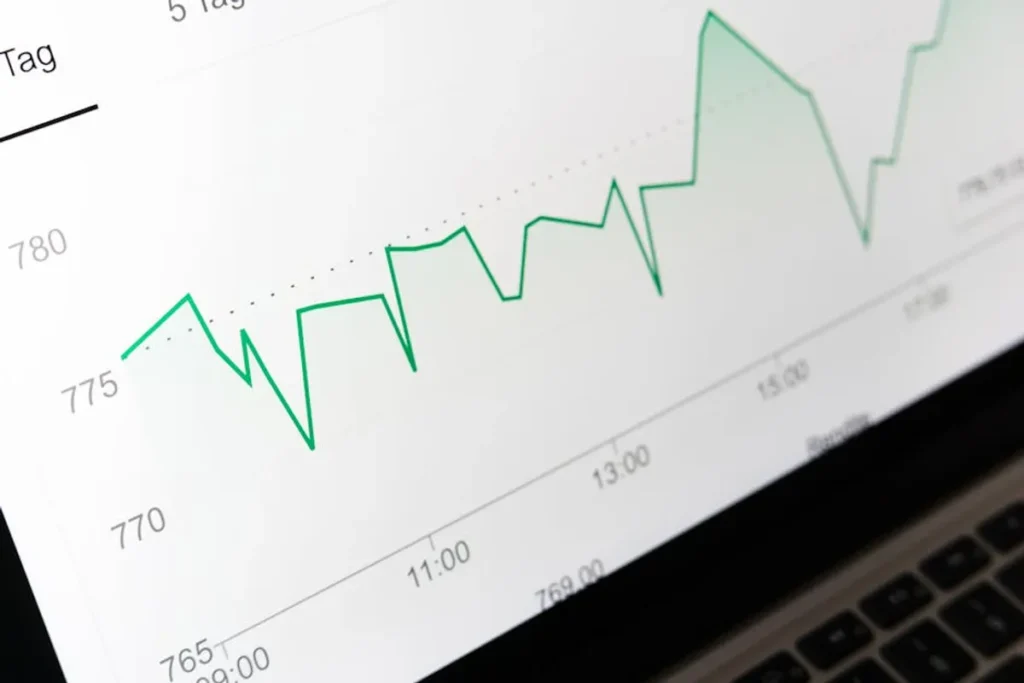
For SEO professionals and site owners, understanding organic search visibility is paramount. While weekly or monthly rank tracking offers a general overview, it often masks critical, short-term shifts that can significantly impact performance and revenue. Daily SERP position monitoring provides the granularity necessary to detect volatility, identify emerging opportunities, and respond swiftly to competitive actions or algorithm updates. This level of detail moves beyond simple reporting; it enables proactive decision-making, allowing immediate adjustments to content, technical SEO, or link-building strategies before minor fluctuations escalate into substantial losses in organic traffic and conversions.
The Imperative of Daily SERP Position Monitoring
Reliance on weekly or even bi-weekly rank checks can leave businesses vulnerable to unforeseen drops in visibility. Search engine algorithms are dynamic, with adjustments occurring continuously, not just during major announced updates. Competitors also make daily optimizations, launch new content, or acquire backlinks that can rapidly alter the SERP landscape. Daily monitoring captures these micro-fluctuations, providing an immediate pulse on your site's organic health and competitive standing.
Beyond Weekly Averages: Why Granularity Matters
Weekly rank reports often present an averaged position, which can obscure significant intraday or day-to-day volatility. A keyword might rank #3 on Monday, drop to #15 on Tuesday, and recover to #5 by Friday, averaging out to #7.6 for the week. This average position fails to highlight the critical period of reduced visibility and potential lost traffic. Daily tracking, conversely, flags the Tuesday drop immediately, allowing for rapid investigation into potential causes such as server issues, a sudden influx of competing content, or a localized algorithm shift. This immediate insight is crucial for maintaining consistent organic performance and protecting market share.
Early Volatility Detection and Competitive Insight
Daily position tracking serves as an early warning system. Sudden drops across a cluster of keywords might signal an unannounced algorithm change or a technical SEO issue requiring urgent attention. Conversely, unexpected gains can highlight new content opportunities or successful optimization efforts that warrant further investment. On the competitive front, daily data reveals when a competitor launches a new product page that immediately ranks, or when they secure a featured snippet for a high-value term. This real-time competitive intelligence allows for agile strategic adjustments, from content refreshes to targeted outreach campaigns, ensuring your organic strategy remains responsive and effective.
Key Metrics and Data Points for Daily Tracking
Effective daily SERP position monitoring extends beyond a simple numerical rank. It involves tracking various data points that collectively paint a comprehensive picture of organic performance and SERP dynamics.
Organic Visibility and Impression Share
Beyond individual keyword positions, daily tracking should aggregate data to assess overall organic visibility for your target keyword set. This includes monitoring impression share – the percentage of times your site appeared in search results relative to the total possible impressions for your tracked keywords. A sudden drop in impression share, even if individual keyword positions remain stable, can indicate a broader issue with indexation or content relevance as perceived by search engines.
Keyword Position Fluctuations and SERP Feature Shifts
Tracking the daily movement of individual keywords is fundamental. This includes monitoring:
- Top 3, Top 10, Top 20 Positions: Identifying which keywords enter or exit these critical visibility thresholds.
- Position Changes: Quantifying daily upward or downward movement for each tracked keyword.
- SERP Feature Presence: Detecting if your content gains or loses visibility in Featured Snippets, People Also Ask boxes, video carousels, image packs, or other rich results.
- Local Pack Inclusion: For local businesses, daily monitoring of local pack presence and position is vital, as these can fluctuate based on user location and query intent.
Changes in SERP features often represent significant shifts in search intent or algorithm preference, making their daily tracking indispensable for adapting content strategy.
Identifying Local Pack and Featured Snippet Changes
Local businesses critically depend on local pack visibility. Daily monitoring reveals sudden drops from the local pack or changes in the specific businesses listed, which can directly impact foot traffic and phone calls. Similarly, featured snippets, often referred to as "position zero," drive disproportionately high click-through rates. Losing a featured snippet, even if your organic position remains strong, means losing significant organic traffic. Daily tracking allows for immediate re-optimization attempts to reclaim these high-value SERP features.
Operationalizing Daily Rank Tracking Data
Collecting daily rank data is only the first step. The true value lies in integrating this data into operational workflows and using it to trigger actionable responses. This requires robust reporting, alert systems, and the ability to correlate rank data with other performance metrics.
Integrating with Analytics for Performance Correlation
Connecting daily rank tracking data with web analytics platforms is crucial for understanding the real-world impact of SERP position changes. A drop from position #1 to #3 for a high-volume keyword might correlate with a significant decrease in organic traffic and conversions. Conversely, a gain from #10 to #5 might not immediately translate to a traffic spike if the keyword has low search volume or poor user intent alignment. Correlating these datasets helps prioritize which rank fluctuations require immediate attention based on their potential business impact.
Triggering Alerts for Significant Position Drops or Gains
Manual review of daily rank changes for hundreds or thousands of keywords is impractical. Implement automated alert systems that notify you when specific thresholds are met, such as:
- A keyword dropping more than 5 positions in a single day.
- A set of critical keywords collectively experiencing a significant average position decline.
- A target keyword gaining a featured snippet or local pack position.
- A competitor's content appearing in the top 3 for a high-value term.
These alerts ensure that critical changes are flagged immediately, prompting timely investigation and strategic adjustments.
Pro Tip: When a significant rank drop occurs, immediately cross-reference the affected pages with recent site changes, server logs, and Google Search Console data. Look for new crawl errors, indexation issues, or sudden increases in page load times. Often, technical issues or content updates are the root cause, and daily tracking provides the necessary prompt to identify them quickly.
Selecting a Daily Rank Tracking Solution
Choosing a platform for daily SERP position monitoring requires evaluating its capabilities against your specific operational needs, data volume, and reporting requirements. Focus on features that provide actionable insights rather than just raw data.
Scalability and Data Freshness
Consider the volume of keywords you need to track and the frequency of data refreshes. A robust solution should offer high scalability to accommodate growing keyword lists without performance degradation. Crucially, it must provide genuinely daily (or even more frequent, such as hourly) data refreshes to capture the full spectrum of SERP volatility. Ensure the solution supports tracking across multiple geographic locations and device types (desktop, mobile) if your audience segments demand it, as SERP results can vary significantly.
Reporting Capabilities and API Access
The ability to generate customized reports is essential for communicating performance to stakeholders. Look for platforms that allow for flexible report scheduling, white-labeling, and integration with other business intelligence tools. API access is a critical feature for larger organizations or agencies, enabling seamless data integration into internal dashboards, client reporting systems, or proprietary analytics platforms. This programmatic access ensures that daily rank data can be combined with other marketing and sales data for a holistic view of performance.
Practical Application: Leveraging Daily Insights
Daily SERP rank tracking is not a passive exercise; it is an active feedback loop for your SEO strategy. Use the immediate insights to:
- Optimize Content: If a content piece drops for a target keyword, analyze competitor content that has risen. Identify new angles, update statistics, or improve on-page elements.
- Address Technical Issues: Sudden, widespread drops across multiple keywords often point to technical problems. Daily alerts can highlight these quickly, prompting a technical audit before they impact a broader set of pages.
- Refine Link Building: Monitor competitor gains. If a new competitor page ranks highly, investigate its backlink profile for potential outreach opportunities or competitive analysis.
- Inform PPC Campaigns: When organic visibility for a critical keyword dips, consider temporarily increasing PPC spend to maintain traffic levels until organic positions recover.
- Validate SEO Efforts: Rapid gains following an optimization push provide immediate validation, allowing you to scale successful strategies more quickly.
The commercial value of daily rank tracking lies in its ability to transform reactive SEO into proactive, data-driven decision-making, minimizing risk and maximizing organic growth potential.
Frequently Asked Questions
What is daily SERP rank tracking?
Daily SERP rank tracking involves monitoring the organic search engine positions of specific keywords for a website on a day-to-day basis, providing granular data on fluctuations and visibility changes.
Why is daily rank tracking more effective than weekly?
Daily tracking captures short-term SERP volatility, algorithm shifts, and competitive actions that weekly averages often mask, enabling faster detection of issues and more agile strategic responses to protect or improve organic visibility.
How does daily rank tracking help with competitive analysis?
By monitoring competitor positions daily, you can quickly identify when their content gains or loses visibility, acquires new SERP features, or launches new pages that impact your own rankings, informing your competitive content and SEO strategies.
What should I do if I see a sudden drop in daily rankings?
Investigate immediately by checking Google Search Console for crawl errors or manual actions, reviewing recent site changes, analyzing server logs for downtime, and examining competitor activity. This rapid response is critical to mitigate potential traffic and revenue loss.


