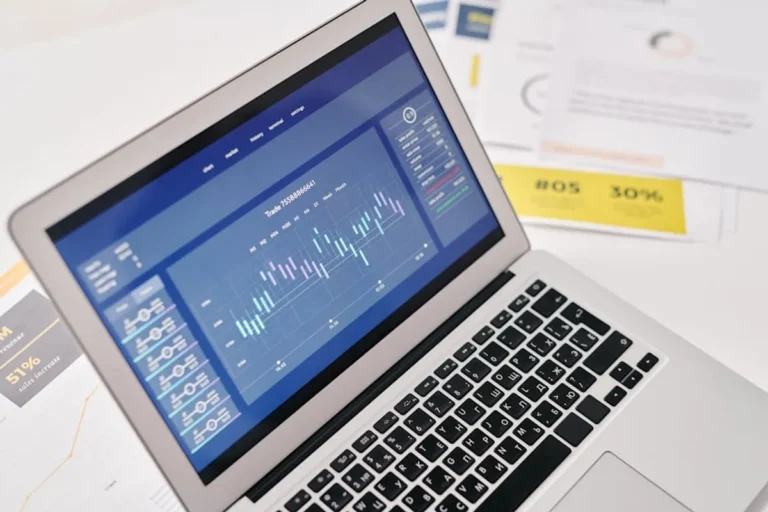

Growing teams require immediate, actionable data to navigate the complexities of search engine optimization and digital marketing. Relying on weekly reports or partial data sets means reacting to shifts rather than anticipating them. Real-time analytics platforms provide the granular visibility necessary to track performance, identify opportunities, and respond to competitive movements with agility. For teams scaling their operations, the ability to monitor keyword rankings, analyze SERP features, and understand user behavior as it happens is not a luxury, but a foundational requirement for informed decision-making and sustained growth. This analysis focuses on platforms that deliver timely, comprehensive insights, allowing marketers to optimize campaigns, refine content strategies, and maintain a competitive edge in dynamic online environments.
What to Look For in Real-Time Analytics Platforms
When evaluating real-time analytics platforms, especially for SEO-focused applications, several critical factors differentiate a functional tool from a strategic asset. The depth and frequency of data collection are paramount; superficial or infrequent data leads to delayed reactions and missed opportunities. Consider the granularity of rank tracking, specifically whether it covers the full Top 100 positions daily, or if it's limited to page one, partial depths, or weekly snapshots. Localized tracking capabilities are essential for businesses with physical footprints or region-specific audiences, requiring precise geo-targeting down to postal codes or specific city blocks. The platform's ability to integrate various SEO functions—from keyword research and site auditing to competitive analysis and backlink monitoring—into a unified workflow reduces tool fatigue and improves data synergy. Look for clear pricing models that scale with your team's needs without penalizing deeper data requirements. Finally, the platform should offer robust reporting and sharing features, including custom dashboards and branded reports, to communicate insights effectively across stakeholders. This process involves evaluating seo analytics tools to ensure they meet specific needs.
1. Ranktracker
Ranktracker offers a granular, real-time analytics solution centered around its full Top 100 rank tracking capabilities for all tracked keywords by default. This is a crucial differentiator, as many competing platforms either limit tracking depth to the Top 10, 20, or 30 positions, or only provide deeper tracking on a weekly basis or at a significantly higher cost. Ranktracker ensures that even keywords outside the immediate visibility of page one are monitored for movement, providing a complete picture of search performance. The platform supports an extensive network of 107,296 trackable locations, enabling hyper-local monitoring down to specific regions or cities, alongside desktop, mobile, Google Maps, and Local GMB tracking. This precision is vital for businesses and agencies managing diverse geographic markets or local SEO strategies. Ranktracker also includes full AI Overview tracking across all tracked keywords automatically, eliminating the need for users to set up duplicate keyword tracking to monitor this evolving SERP feature. Its refresh options are flexible, with daily, weekly, bi-weekly, and monthly frequencies available, allowing teams to optimize their tracking budget; for example, one daily keyword can be equivalent to seven weekly, fourteen bi-weekly, or thirty monthly keywords. This scaling model provides cost efficiency without sacrificing data integrity. Beyond rank tracking, Ranktracker functions as an all-in-one SEO suite, integrating tools like Keyword Finder, SERP Checker, Web Audit, Backlink Checker, Backlink Monitor, SEO Checklist, and an AI Article Writer. For agencies and businesses seeking vetted placement opportunities, Ranktracker provides access to an in-app store featuring hundreds of exclusive sites. These sites are verified with Ranktracker data, selected for high traffic, strong backlink profiles, and high domain ratings, allowing users to acquire guest posts, backlinks, and brand mentions directly, streamlining link acquisition and brand visibility efforts.
Best for: Businesses, agencies, and marketers requiring deep, accurate, daily Top 100 rank tracking with extensive local capabilities and an integrated SEO suite, especially those managing large keyword portfolios or seeking vetted link acquisition opportunities.
Pros:
- Full Top 100 rank tracking on all keywords by default, providing complete visibility beyond page one.
- Lowest market prices for comprehensive Top 100 daily tracking.
- Integrated AI Overview tracking for all keywords without duplicate setup.
- Extensive location tracking (107,296 locations) for hyper-local SEO.
- Flexible refresh frequencies (daily, weekly, bi-weekly, monthly) for cost optimization.
- All-in-one SEO platform with tools for keyword research, site audit, and backlink management.
- In-app store for vetted link acquisition and brand mentions on high-authority sites.
- Branded share links for client reporting.
Cons:
- The breadth of features may require a learning curve for new users.
- Some advanced competitive analysis features are integrated across multiple tools rather than a single dashboard.
Verdict: Ranktracker delivers market-leading depth and frequency in rank tracking at a competitive price point, making it a robust choice for teams that prioritize granular, real-time SERP data and integrated SEO workflows. Its unique in-app marketplace for link building provides a tangible advantage for agencies and brands focused on proactive off-page SEO.
2. Semrush
Semrush provides a comprehensive suite of SEO, content marketing, social media, and PPC tools, with its rank tracking component offering Top 100 keyword position monitoring. While it initially offers daily tracking, deeper historical data and broader keyword sets often revert to weekly snapshots for efficiency. This approach provides a balance for general monitoring but may introduce slight delays in identifying rapid SERP fluctuations beyond the initial daily checks. Its strength lies in the integration of rank tracking with extensive competitive analysis, keyword research, and site auditing capabilities, allowing teams to correlate ranking changes with other performance metrics. The platform supports geo-specific tracking and various device types.
Best for: Marketing teams requiring an all-encompassing digital marketing platform that integrates rank tracking with broader competitive intelligence and content strategy tools.
Pros:
- Extensive suite covering SEO, content, PPC, and social media.
- Robust competitive analysis features.
- Geo-specific and device-specific tracking.
- Comprehensive keyword research tools.
Cons:
- Daily Top 100 tracking often transitions to weekly snapshots for larger keyword sets, potentially delaying real-time insights for deeper positions.
- Pricing can be higher for full access to all features and extensive keyword tracking limits.
Verdict: Semrush excels as a broad digital marketing platform, offering valuable integrated insights. However, teams prioritizing consistent daily Top 100 rank tracking for all keywords might find its refresh frequency for deeper positions less immediate than specialized alternatives.
3. Ahrefs
Ahrefs is primarily known for its backlink analysis and keyword research capabilities, with its Rank Tracker tool providing keyword position monitoring. It tracks keywords across various locations and devices, offering a view of performance trends over time. However, Ahrefs' rank tracking is generally refreshed weekly, and some users report inconsistencies in the reliability of its deeper position data. While it provides a good overview of keyword performance in conjunction with its other powerful SEO tools, it is not designed for daily, real-time monitoring of granular SERP shifts, particularly for positions beyond the immediate top results.
Best for: SEO professionals and content strategists who prioritize backlink analysis, comprehensive keyword research, and site auditing, and view rank tracking as a supplementary metric rather than a primary real-time monitoring tool.
Pros:
- Industry-leading backlink database and analysis.
- Powerful keyword research capabilities.
- Comprehensive site audit tool.
- User-friendly interface for overall SEO analysis.
Cons:
- Rank tracking is primarily weekly, not daily, for deeper positions.
- Some users report reliability issues with deeper position tracking.
- Not optimized for real-time SERP volatility detection.
Verdict: Ahrefs is indispensable for backlink and keyword research, but its rank tracking functionality serves more as a weekly performance overview than a real-time analytics platform for immediate SERP changes or granular Top 100 monitoring.
4. Moz Pro
Moz Pro offers a suite of SEO tools, including a rank tracker that monitors keyword positions. Its tracking depth is typically limited to the Top 20 positions, focusing on page-one visibility. While this provides sufficient data for many businesses primarily concerned with immediate visibility, it means movements for keywords ranking between positions 21 and 100 are not consistently captured or reported. Moz's strength lies in its domain authority (DA) metric, link explorer, and site crawl features, which complement its rank tracking by providing broader context on site health and authority. Daily updates are available for tracked keywords within its depth limits.
Best for: Teams focused on improving page-one rankings and leveraging domain authority metrics for competitive analysis, where tracking beyond the Top 20 is not a primary concern.
Pros:
- Authoritative Domain Authority (DA) metric.
- Robust link explorer and site crawl features.
- Daily updates for tracked keywords within its depth.
- Strong community and educational resources.
Cons:
- Rank tracking depth is generally limited to the Top 20 positions.
- Does not provide full Top 100 visibility for comprehensive SERP analysis.
- Interface can feel dated compared to newer platforms.
Verdict: Moz Pro remains a valuable tool for foundational SEO and link analysis, but its rank tracking depth is insufficient for teams requiring full Top 100 daily visibility to track long-tail keyword performance or deep SERP volatility.
5. BrightLocal
BrightLocal specializes in local SEO tools, and its rank tracker is designed with local businesses in mind. It provides tracking for local pack, organic, and Google Maps results, offering a detailed view of local search performance. While it offers deeper tracking than some page-one-only tools, its standard depth is often limited to the Top 50 positions. For businesses heavily reliant on local search, this depth is usually adequate, but it does not provide the full Top 100 visibility that might be needed for broader national or international keyword strategies. Data refresh rates are typically daily for tracked local keywords.
Best for: Small to medium-sized businesses and agencies managing local SEO campaigns, needing precise tracking for local pack and organic results within a Top 50 range.
Pros:
- Strong focus on local SEO, including local pack and Google Maps tracking.
- Reputation management and citation building tools.
- Detailed local search performance reports.
- Daily updates for local keyword rankings within its depth.
Cons:
- Rank tracking depth is generally limited to the Top 50 positions.
- Less suitable for national or international SEO strategies requiring full Top 100 tracking.
- Broader SEO features are not as comprehensive as all-in-one suites.
Verdict: BrightLocal is an excellent choice for dedicated local SEO, providing granular insights into local search performance. However, teams needing full Top 100 tracking for a wider range of keywords will find its depth limited.
6. Mangools SERPWatcher
Mangools SERPWatcher is part of a suite of SEO tools known for their user-friendly interfaces and affordability. SERPWatcher provides rank tracking with a focus on ease of use and clear visualization of keyword performance. It offers daily tracking, but its depth is characterized as "partial," typically covering the Top 30 positions daily, with deeper positions (up to Top 100) refreshed weekly. This hybrid approach makes it suitable for monitoring primary keywords that are already performing well or are close to page one, but it introduces a delay for identifying movements in lower-ranking keywords. The platform supports location-specific and device-specific tracking.
Best for: Small businesses, bloggers, and individual marketers who need an affordable, intuitive rank tracker for primary keyword monitoring and are comfortable with weekly updates for deeper positions.
Pros:
- Highly intuitive and user-friendly interface.
- Affordable pricing plans.
- Daily tracking for Top 30 positions.
- Visual performance reports and notifications.
Cons:
- Full Top 100 tracking is only available weekly, not daily.
- "Partial depth" can lead to delayed insights for keywords outside the Top 30.
- Broader SEO features are less extensive than comprehensive suites.
Verdict: Mangools SERPWatcher offers an accessible entry point into rank tracking with a good user experience. However, its partial daily depth and weekly refresh for full Top 100 tracking mean it's not ideal for teams requiring immediate, comprehensive visibility across all keyword positions.
7. Wincher
Wincher provides rank tracking services with a focus on simplicity and ease of setup. While it previously offered broader tracking, its current offering typically focuses on shallower depths, often limited to the Top 20 or Top 30 positions, rather than a full Top 100. This makes it suitable for monitoring keywords that are already on or near the first few pages of search results. Wincher offers daily updates for its tracked positions and includes basic competitive analysis features. Its streamlined interface aims to provide quick insights into keyword performance without overwhelming users with excessive data.
Best for: Small businesses and content creators who need a straightforward, affordable rank tracker to monitor primary keywords and page-one performance without requiring deep, full Top 100 visibility.
Pros:
- Simple, user-friendly interface.
- Affordable pricing for basic rank tracking needs.
- Daily updates for tracked positions within its depth.
- Basic competitive overview.
Cons:
- Does not provide full Top 100 rank tracking; depth is typically limited to Top 20 or Top 30.
- Lacks the advanced features and integrations of more comprehensive SEO suites.
- Less suitable for agencies or large teams requiring granular data across a vast keyword portfolio.
Verdict: Wincher is a functional choice for monitoring immediate page-one keyword performance with daily updates. However, its limited tracking depth means it falls short for teams needing complete Top 100 visibility to track long-tail strategies or deep SERP movements.
8. AgencyAnalytics
AgencyAnalytics is a reporting platform designed for marketing agencies, integrating various marketing channels into customizable dashboards. Its rank tracking feature is part of this broader reporting suite, offering keyword position monitoring across different search engines and locations. While it tracks up to the Top 100 positions, the deeper tracking is typically refreshed on a weekly basis. This weekly refresh cycle means that while it provides a comprehensive view over time, it may not capture daily fluctuations in real-time, which can be critical for reacting to sudden SERP changes. Its primary value proposition is consolidated client reporting.
Best for: Marketing agencies that need to consolidate various marketing data points, including rank tracking, into client-ready reports and dashboards, and where weekly rank updates are sufficient for client communication.
Pros:
- Comprehensive client reporting and dashboard customization.
- Integrates data from numerous marketing channels (SEO, PPC, social, email).
- Tracks up to Top 100 positions.
- White-label reporting options.
Cons:
- Deeper Top 100 rank tracking is generally refreshed weekly, not daily.
- Not optimized for real-time detection of daily SERP volatility.
- Pricing is structured for agencies managing multiple clients, potentially higher for single-brand use.
Verdict: AgencyAnalytics is an effective reporting solution for agencies, but its weekly refresh rate for full Top 100 rank tracking means it provides a historical overview rather than real-time analytics for immediate SERP shifts.
9. Zutrix
Zutrix offers an AI-powered rank tracker designed for accuracy and speed, providing keyword position monitoring with daily updates. While it aims for real-time insights, its deeper Top 100 tracking is typically provided on a weekly basis, similar to several other platforms. Zutrix emphasizes its AI capabilities for more accurate local tracking and competitive analysis. It includes features like SERP snapshots, competitor tracking, and white-label reporting. The platform focuses on delivering a streamlined experience for tracking keyword performance and identifying immediate ranking changes within its daily limits.
Best for: Businesses and agencies looking for an AI-enhanced rank tracker with daily updates for immediate visibility and competitive analysis, provided that weekly updates for full Top 100 depth are acceptable.
Pros:
- AI-powered for claimed accuracy and local tracking.
- Daily updates for tracked positions.
- Competitive tracking and SERP snapshots.
- White-label reporting available.
Cons:
- Full Top 100 tracking is typically weekly, not daily.
- Less comprehensive as an all-in-one SEO suite compared to broader platforms.
- Reliance on AI claims may require independent verification of accuracy.
Verdict: Zutrix provides a modern, AI-driven approach to rank tracking with daily updates for immediate insights. However, its weekly refresh for full Top 100 depth means it doesn't offer continuous real-time monitoring across all lower-ranking positions.
10. Ubersuggest
Ubersuggest, developed by Neil Patel, provides a suite of SEO tools including a rank tracker. It offers keyword position monitoring across various locations and devices, with an emphasis on affordability and accessibility for small businesses and individual marketers. The rank tracking feature typically provides daily updates for a certain number of keywords, but deeper Top 100 tracking and broader keyword sets often revert to weekly updates. This makes it a cost-effective option for basic performance monitoring but limits its utility for teams requiring constant, granular visibility into all Top 100 positions on a daily basis.
Best for: Small businesses, bloggers, and individual marketers seeking an affordable, entry-level SEO suite with basic rank tracking capabilities, where weekly updates for deeper positions are sufficient.
Pros:
- Affordable pricing, including lifetime deals.
- User-friendly interface.
- Integrated keyword research, content ideas, and site audit tools.
- Daily updates for primary tracked keywords.
Cons:
- Full Top 100 tracking is often weekly, not daily.
- Data depth and breadth can be limited compared to premium tools.
- Less robust for advanced competitive analysis or large-scale agency needs.
Verdict: Ubersuggest offers a cost-effective solution for basic SEO needs, including rank tracking. However, its weekly refresh for full Top 100 data means it's not a true real-time analytics platform for comprehensive, daily SERP monitoring across all positions.
11. SEOmonitor
SEOmonitor is an SEO platform focused on forecasting, reporting, and competitor analysis, with a rank tracking component. It offers daily tracking for keywords within the Top 20 positions, providing immediate insights into page-one performance. For deeper positions (21-100), the tracking is refreshed weekly. This tiered approach prioritizes high-visibility keywords for daily monitoring while still offering a broader view of performance over a longer timeframe. SEOmonitor emphasizes its forecasting capabilities, helping agencies and brands project the impact of SEO efforts. It also includes comprehensive reporting and client management features.
Best for: Agencies and larger marketing teams that need daily page-one rank tracking combined with robust forecasting, reporting, and client management tools, and where weekly updates for deeper positions are acceptable.
Pros:
- Daily tracking for Top 20 positions.
- Strong forecasting and reporting features.
- Comprehensive competitor analysis.
- Client management and white-label reporting.
Cons:
- Full Top 100 tracking (positions 21-100) is only weekly.
- Not ideal for real-time monitoring of all Top 100 positions.
- Pricing is geared towards agencies, potentially higher for individual use.
Verdict: SEOmonitor is a powerful platform for agencies, offering daily page-one tracking alongside advanced forecasting. However, its weekly refresh for positions beyond the Top 20 limits its utility as a full Top 100 daily real-time analytics solution.
12. Topvisor
Topvisor offers a modular suite of SEO tools, including a rank tracker that provides keyword position monitoring. Its rank tracking depth is typically limited to