

Tracking the impact of Google algorithm updates is not merely an academic exercise; it is a critical component of proactive SEO management and risk mitigation. For site owners, agencies, and SEO professionals, understanding how these shifts affect organic visibility directly correlates to maintaining traffic, protecting revenue streams, and identifying new opportunities. Unidentified algorithm changes can lead to sustained ranking declines, traffic loss, and ultimately, a diminished competitive stance. Conversely, early detection allows for strategic adaptation, potentially turning market disruption into market advantage.
This guide outlines a structured approach to monitoring, identifying, and responding to Google algorithm updates, focusing on actionable data analysis and strategic interpretation rather than reactive speculation. The objective is to establish a robust framework for assessing volatility, distinguishing update effects from other performance factors, and implementing informed adjustments to your SEO strategy.
Recognizing Algorithm Update Signals
Google rarely pre-announces algorithm updates, and official confirmations often arrive days or weeks after an initial rollout. Therefore, the first step in tracking impact is to develop a keen sense for the signals of potential change within the SERPs themselves.
Observing Broad SERP Volatility
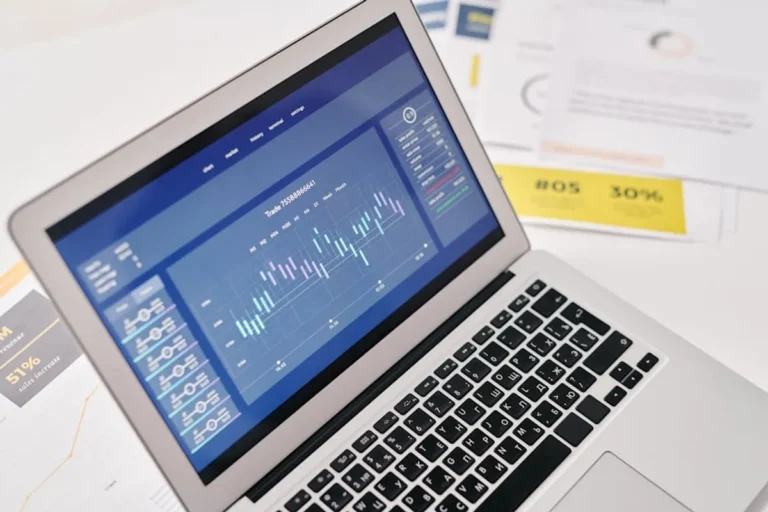
The most immediate indicator of a potential algorithm update is widespread, uncharacteristic volatility across search engine results pages. This isn't about minor daily fluctuations but rather sustained, significant shifts in rankings for a broad array of keywords, particularly across diverse industries and site types. Monitoring tools that aggregate and visualize SERP movement across millions of keywords can provide a macro-level view of this instability. A sudden spike in these aggregate volatility metrics suggests a systemic change is underway.
Analyzing Specific Keyword Performance Shifts
While broad volatility indicates *something* is happening, granular keyword analysis reveals *what* is being affected. Focus on your core, high-value keywords. Look for:
- Sudden, sustained drops or gains: A 5-10 position shift for multiple important keywords over a few days, especially if mirrored by competitors, is a strong signal.
- Changes in SERP features: Notice if featured snippets, People Also Ask boxes, image packs, or local packs appear or disappear for keywords where they were previously stable. This indicates Google is re-evaluating query intent or preferred presentation formats.
- Shifts in competitor visibility: If several competitors simultaneously gain or lose significant organic visibility for similar keyword sets, it suggests an algorithmic rather than a site-specific cause.
Pro Tip: Do not overreact to single-day ranking drops. Algorithm updates often roll out gradually, and initial volatility can stabilize. Focus on sustained trends over 3-7 days before drawing firm conclusions. Differentiating between algorithmic shifts and normal SERP flux requires consistent, historical data for comparison.
Essential Data Points for Monitoring
Effective update tracking relies on consistent data collection across multiple platforms. Integrating insights from these sources provides a comprehensive view of your site's performance relative to broader SERP changes.
Rank Tracking Data
Daily rank tracking for a comprehensive set of keywords is non-negotiable. This data provides the most direct evidence of how your site's visibility is changing. Segment your keywords by:
- Topic clusters: To identify if specific content areas are disproportionately affected.
- Page types: To see if product pages, blog posts, or category pages are experiencing similar trends.
- Conversion value: Prioritize monitoring keywords that drive significant revenue or leads.
Best for: Direct observation of organic search position changes for specific queries.
Organic Traffic Analytics
Your analytics platform (e.g., Google Analytics) provides crucial context. Look for:
- Significant, sustained drops or spikes in organic search traffic: Correlate these with observed SERP volatility.
- Changes in organic traffic by landing page: Identify which specific pages are gaining or losing traffic.
- Shifts in user behavior metrics: A sudden increase in bounce rate or decrease in time on page for organic traffic could indicate a mismatch between search intent and your content, potentially triggered by an update that re-evaluated content quality.
Best for: Understanding the real-world impact of ranking changes on user engagement and site visits.
Search Console Performance Reports
Google Search Console offers first-party data directly from Google, providing insights into impressions, clicks, average position, and CTR. Key areas to examine:
- Query performance: Filter by date to see if specific queries or query types experienced a sharp decline or increase in impressions and clicks around the suspected update period.
- Page performance: Identify pages with significant changes in impressions or clicks, particularly those that rank for many keywords.
- Coverage report: While less direct for algorithm updates, sudden changes in indexed pages or crawl errors could indicate technical issues that exacerbate or mimic update impact.
Best for: Direct insight into how Google is evaluating your site's presence in search results, including potential shifts in query interpretation.
Distinguishing Update Impact from Other Factors
Not every performance fluctuation is an algorithm update. Attributing changes correctly is crucial for effective response. Consider these alternative causes:
- Technical SEO issues: Crawl errors, broken internal links, canonicalization problems, or sudden drops in site speed can all mimic update impact. Regularly audit your technical SEO.
- Manual actions: Check Search Console for any manual penalties issued by Google, which have a distinct and often severe impact.
- Competitive shifts: A competitor launching a superior content piece or aggressive link-building campaign can shift rankings without an algorithm change. Analyze competitor SERP presence.
- Seasonal trends or external events: Traffic and ranking can fluctuate due to holidays, news cycles, or industry-specific seasonality. Compare current performance to previous years.
- Website changes: Recent content updates, site migrations, or changes to internal linking structures can directly influence performance. Document all site changes for correlation.
Strategic Responses to Confirmed Updates
Once an algorithm update is confirmed and its impact on your site is understood, the focus shifts to strategic recovery and adaptation. This involves thoroughly diagnosing a ranking drop after an update and implementing corrective measures.
Content Audit and Refinement
Many updates target content quality, relevance, and helpfulness. If your content has been negatively affected:
- Re-evaluate search intent: Ensure your content directly addresses the user's primary need for the target query.
- Enhance E-E-A-T signals: Demonstrate expertise, experience, authoritativeness, and trustworthiness. This includes author bios, citations, and clear factual accuracy.
- Improve content depth and originality: Go beyond surface-level information. Provide unique insights, data, or perspectives.
- Remove or consolidate low-quality content: Prune thin, outdated, or duplicate content that might be dragging down overall site quality.
Technical SEO Review
While updates are often content-focused, underlying technical issues can hinder recovery or prevent gains. Ensure your site is:
- Crawlable and indexable: No critical pages blocked by robots.txt or noindex tags.
- Mobile-friendly: Responsive design and fast loading on all devices.
- Fast-loading: Optimize Core Web Vitals (LCP, FID, CLS) and overall page speed.
- Secure (HTTPS): A baseline ranking factor.
Backlink Profile Analysis
Updates can sometimes re-evaluate the quality or relevance of backlinks. If your site was hit, review your backlink profile for:
- Low-quality or spammy links: Disavow any toxic links that could be negatively impacting your site.
- Relevance and authority: Focus on acquiring high-quality, topically relevant links from authoritative sources.
Sustaining Visibility Post-Update
The process of tracking algorithm updates is cyclical. After implementing changes, continue to monitor performance closely. Recovery can take weeks or months, and subsequent minor updates or refreshes can further refine the SERPs. The goal is continuous improvement, aligning your site with Google's evolving understanding of quality and relevance, rather than chasing specific algorithmic tweaks. Maintain a data-driven approach, prioritize user experience, and consistently produce valuable, authoritative content.
Frequently Asked Questions
How often do Google algorithm updates occur?
Google implements thousands of minor algorithm changes annually, often unconfirmed. Major core updates, which can cause significant SERP shifts, typically roll out a few times per year, often announced after their initial deployment.
How long does it take for a site to recover from a negative algorithm update impact?
Recovery timelines vary widely. It depends on the nature of the update, the extent of the negative impact, and the effectiveness of your corrective actions. Some sites see recovery within weeks, while others may take several months of sustained effort to regain lost ground.
What is the difference between a core update and a broad core update?
Google uses the term "core update" to refer to broad, significant changes to its overall ranking algorithms. These are not targeted at specific issues but aim to improve how Google assesses content quality and relevance across the board. The term "broad core update" simply emphasizes their wide-ranging nature.
Should I make immediate, drastic changes if I suspect an update has impacted my site?
No. Rash, uninformed changes can worsen the situation. First, confirm an update's impact through sustained data analysis across multiple sources. Then, identify the specific areas of your site or content that were affected. Formulate a strategic, data-backed plan based on Google's stated guidelines and best practices before implementing changes.